
Air & Indoor Wellness

Why is good Air quality so Important?
Indoor air pollutants like tobacco smoke, volatile organic compounds (VOCs), mold and mildew, carbon monoxide (CO), and particulate matter (PM) can cause respiratory issues and other health problems.
Outdoor pollutants such as vehicle emissions, factory emissions, pollen, and wildfire smoke can also seep into homes and trigger allergic reactions in sensitive individuals.
Air pollution is a major cause of respiratory diseases and causes millions of premature deaths each year.
Children are more vulnerable to air pollution since they are more active and still developing.
Dangers In the home 🏠
-Paints, solvents, cleaning products, and air fresheners release Volatile Organic Compounds (VOCs): these can cause headaches, make you feel dizzy, and sometimes even damage your liver, kidneys, or central nervous system.
-Mold and Mildew love damp indoor spaces, and when they grow, they release spores into the air that can cause breathing problems and allergic reactions.
-Carbon Monoxide (CO) is a colorless, odorless gas produced by appliances like gas stoves, furnaces, and water heaters. In high concentrations, it can be deadly, causing headaches, dizziness, nausea, and even death.
-Indoor activities like cooking, smoking, and burning candles or incense can create Particulate Matter (PM), which can make respiratory conditions like asthma and bronchitis worse.

Indoor air quality is especially important as we spend most of our time indoors!

Keep the air in your home fresh and healthy!
Here are some practical tips to help you maintain good indoor air quality:
->First, make sure to clean your home regularly.
Dust surfaces, vacuum carpets and rugs, mop floors, and wipe down counters and tables to help prevent dust and allergens from building up. Remember to avoid harsh chemicals and fragrances and look for eco-friendly and natural alternatives like vinegar, baking soda, lemon juice, and essential oils instead. As a mom of 2 young boys, I know it’s difficult to stay on top of cleaning the home. As soon as you clean, you turn around and things are messy again! I try to make it a habit to wipe frequently used surfaces once a day and the rest of the house once a week…does not always happen! This fridge chart was a huge help in keeping me on track!
Check out these simple and effective natural cleaning recipes below:
💡 Just a heads-up: Click the pics below to find their chemical-free store-bought versions!
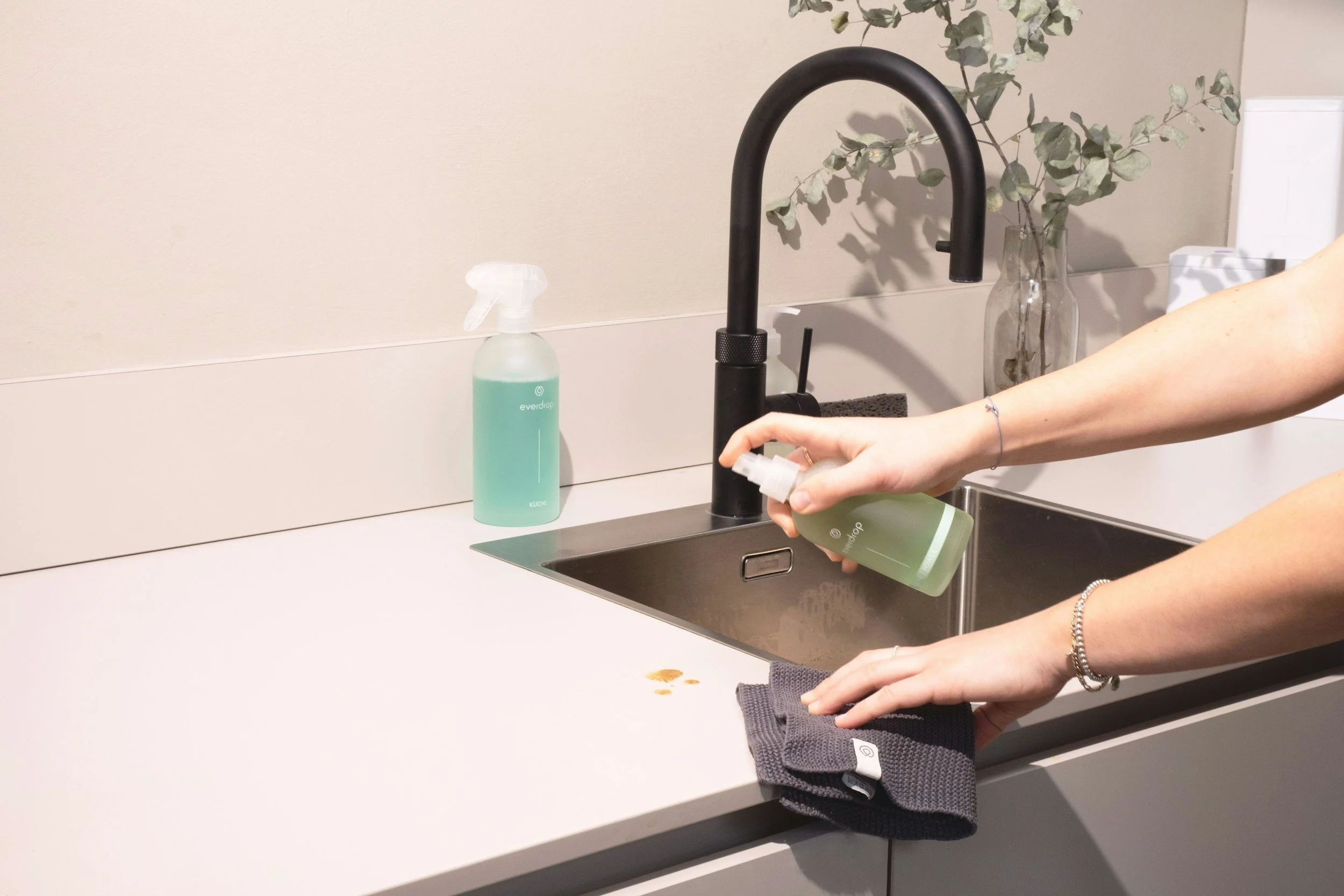
-
Ingredients:
1 cup distilled white vinegar
1 cup water
Optional: 10-20 drops of essential oil (such as lemon, tea tree, or lavender) for fragrance
Instructions:
Mix vinegar and water in a spray bottle.
Add essential oils if desired.
Shake well before use.
Use on countertops, surfaces, and glass for general cleaning!
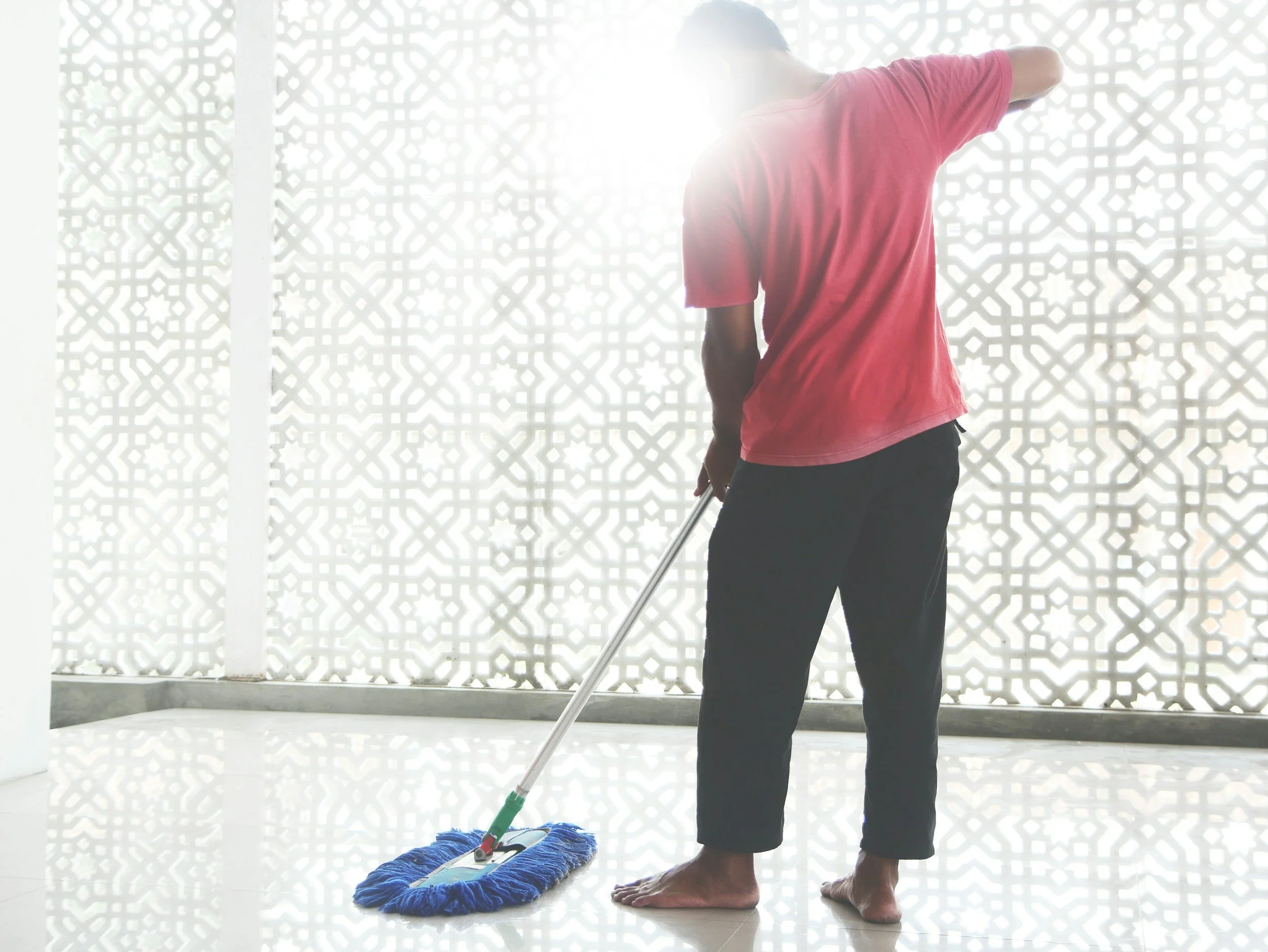
-
Ingredients:
1 cup distilled white vinegar
1 gallon of warm water
15-20 drops of essential oil (such as lemon, lavender, tea tree, or eucalyptus) for fragrance and added cleaning power (optional)
Instructions:
In a bucket, mix together the distilled white vinegar and warm water.
If desired, add 15-20 drops of your chosen essential oil(s) to the mixture. Essential oils not only add fragrance but also have natural cleaning properties.
Stir the mixture well to ensure the vinegar is evenly distributed.
Use this solution to mop your floors as usual. Dip your mop into the solution, wring it out well, and mop the floors. There's no need to rinse afterward, as vinegar naturally evaporates and leaves behind no residue.
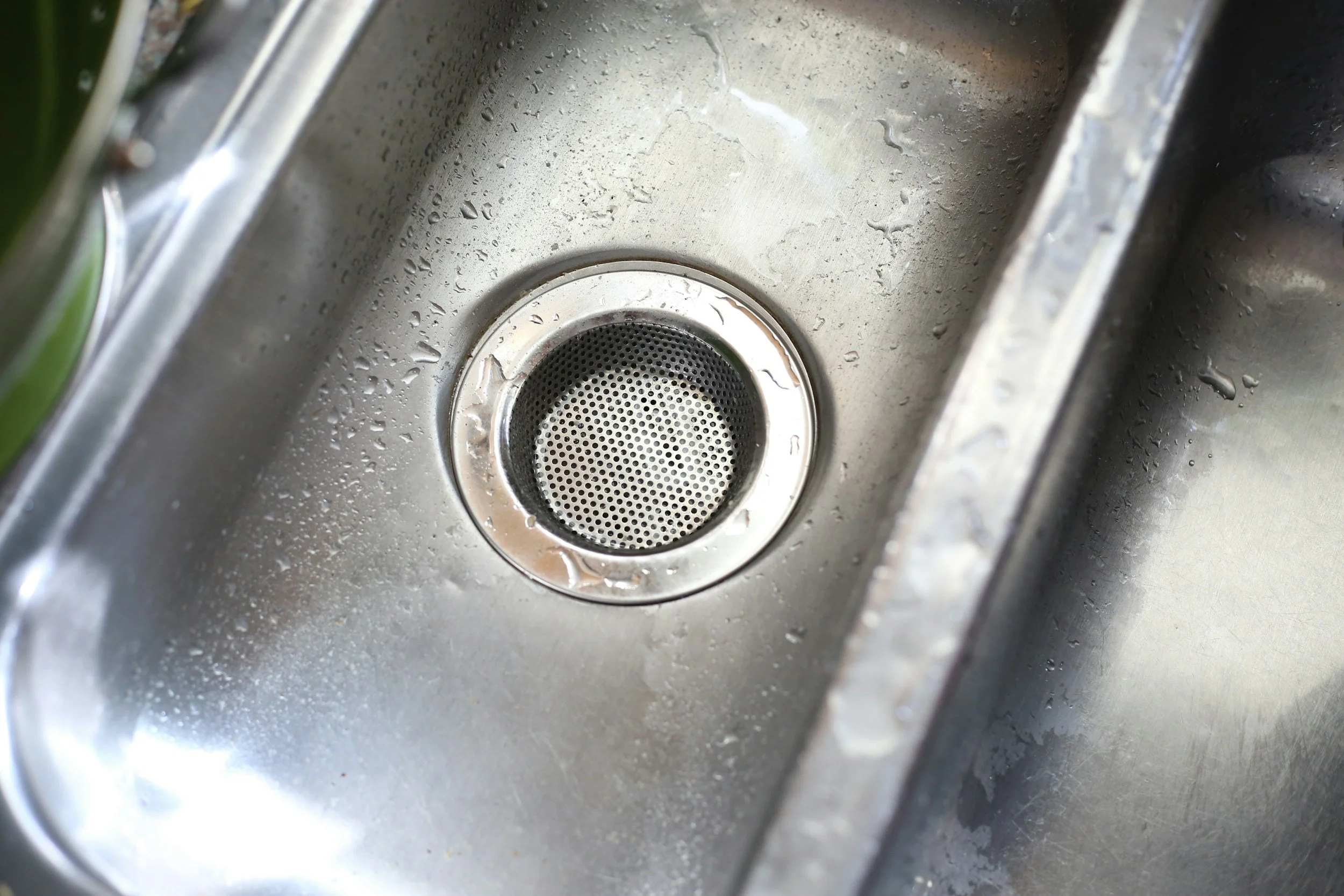
-
Ingredients:
1/2 cup baking soda
1 cup distilled white vinegar
Boiling water
Instructions:
Pour baking soda down the drain.
Follow with vinegar.
Let it sit for 5-10 minutes.
Flush with boiling water to clear the drain.
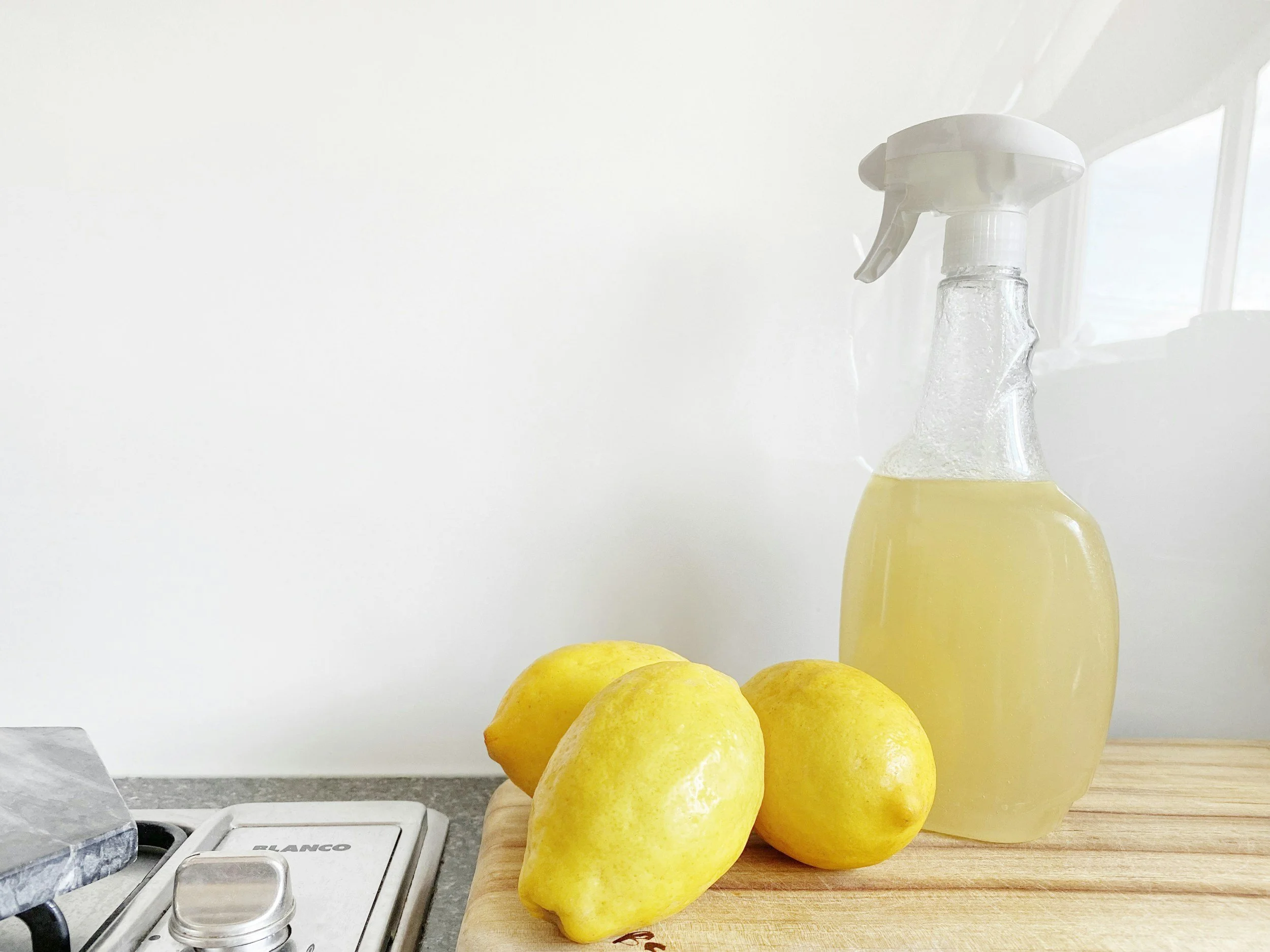
-
Ingredients:
1/2 cup baking soda
Juice of 1 lemon
Optional: Lemon zest for added scent
Instructions:
Mix baking soda and lemon juice to form a paste.
Apply the paste to surfaces such as sinks, tubs, and tile grout.
Let it sit for a few minutes, then scrub with a sponge or brush.
Rinse with water.
->Afterward, let’s Naturally purify the air to get rid of those nasty toxins!



Bring in some greenery: Certain houseplants like spider plants, snake plants, and peace lilies are known for their air-purifying abilities, helping to filter out toxins and improve air quality.
Peace Lily- studies show that having this plant can improve mood, creativity, and reduce stress.
Snake plant/Mother-in-law tongue- drought resistant(I have several of these, perfect for those who forget to water their plants).
Exotic Angel Clean Air Collection- 3-pack variety of air purifiers right to your door! (click the first picture above)
Let the outdoors in: Proper ventilation is key to maintain good indoor air quality! Opening windows and doors to let fresh air circulate can help remove indoor pollutants and bring in that crisp outdoor air, especially during times of good outdoor air quality. I love opening the windows in the early mornings and late evenings 😍!
Harness the power of activated charcoal: Placing activated charcoal or charcoal-based air purifying bags around your home can effectively absorb odors and toxins, leaving your indoor air feeling fresher.
Light up with beeswax: Beeswax candles emit negative ions when burned, which can help neutralize airborne pollutants and give your home a warm, natural glow. (click the second picture above)
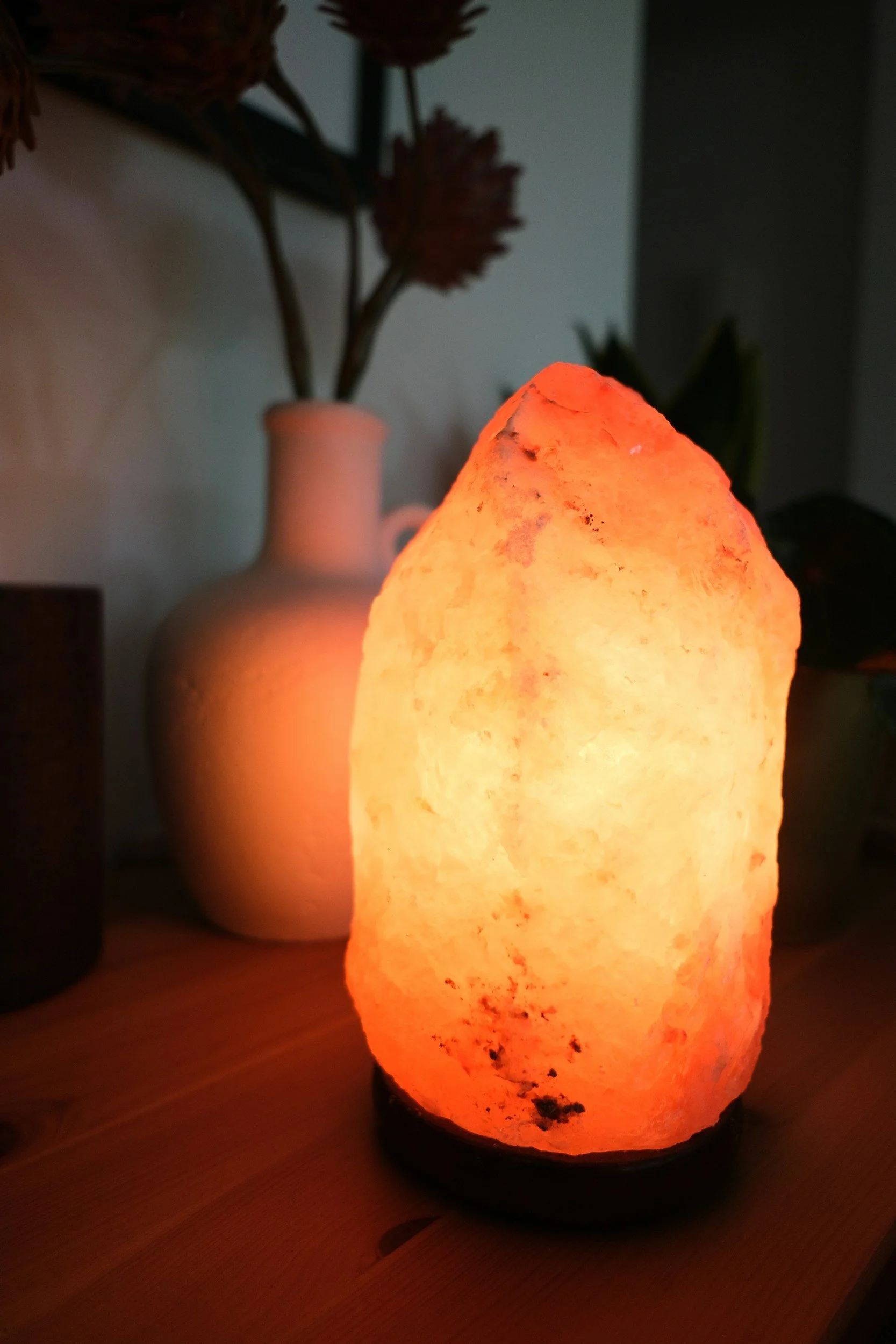
Consider salt lamps: While the scientific evidence is limited, some people find Himalayan salt lamps beneficial for improving air quality and reducing indoor allergens, making them a unique and beautiful addition to your home.
In our home we use the wall plug-in salt lamps and the tea light beeswax candle in the salt tea candle holder. Lighting them up at night gives the home such a peaceful feeling ☺️!
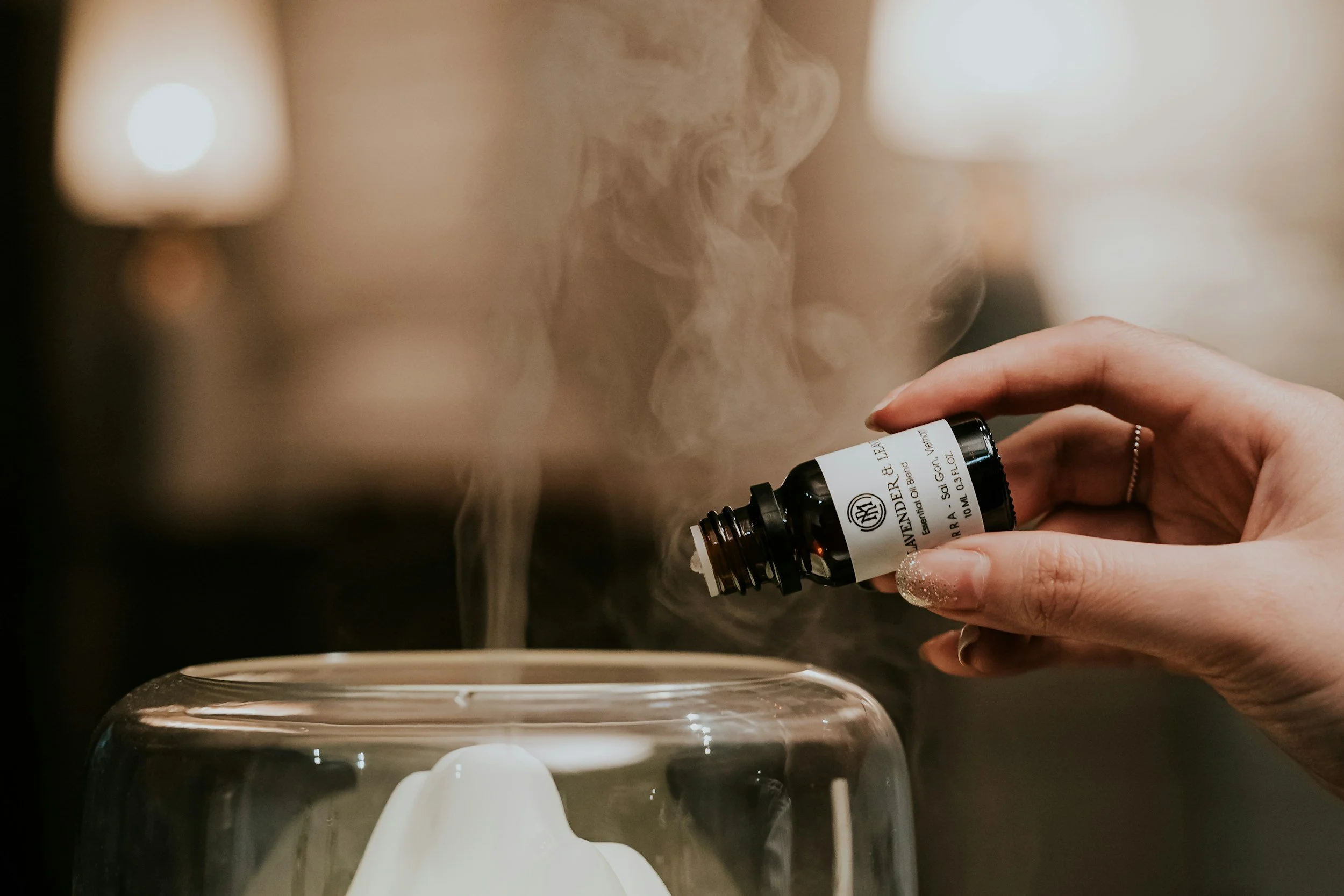
Embrace essential oils: Diffusing essential oils like tea tree, eucalyptus, or lavender not only adds a pleasant aroma to your space, but also may help freshen the air and reduce airborne bacteria and viruses.
Go for bamboo charcoal: Similar to activated charcoal, bamboo charcoal has absorbent properties that can help eliminate odors and toxins, providing a natural way to purify the air in different areas of your home.
These bamboo charcoal bags eliminate odors and purify the air. They're highly porous and adsorb toxins in the air. They're rechargeable and can be used for up to 2 years. They're kid, pet, and eco-friendly.
*Just a friendly reminder that although these methods can somewhat improve air quality, they might not be as effective as dedicated air purifiers when it comes to removing specific pollutants such as allergens and particulate matter.*
-
Ingredients:
1 cup distilled water
2 tablespoons rubbing alcohol or vodka (optional, helps the scent disperse more evenly)
15-20 drops of your favorite essential oil(s) (such as lavender, lemon, peppermint, or orange)
Instructions:
In a spray bottle, combine the distilled water and rubbing alcohol or vodka (if using).
Add 15-20 drops of your chosen essential oil(s) to the mixture. You can use a single oil or create your own blend for a custom fragrance.
Close the spray bottle and shake well to combine the ingredients thoroughly.
Your all-natural air freshener is now ready to use! Simply spray it into the air whenever you want to freshen up a room.
You can adjust the strength of the scent by adding more or fewer drops of essential oil, depending on your preference. This homemade air freshener is free from synthetic fragrances and harmful chemicals, making it safe for you, your family, and pets.
Remember to shake the bottle before each use to ensure the ingredients are properly mixed. Also, avoid spraying the solution directly onto fabrics or delicate surfaces to prevent any potential staining or damage.
->Next, decluttering your home can also help improve air quality.
Clutter tends to accumulate dust and block airflow, so taking the time to organize your things and donate or discard items you no longer need can make a big difference. And when it comes to the kitchen, we all know that a cluttered fridge leads to forgotten and moldy food… Yuck! Personally, I love sorting and organizing whenever I can. These storage bins are super handy for keeping things neat and clutter-free:
For the kitchen, bathroom, the boy’s bedroom, and we can’t forget about the garage where the most clutter accumulates!
->Finally, practice these habits to maintain a fresh home!
Use exhaust fans in kitchens and bathrooms to remove cooking fumes and moisture.
Consider getting an air purifier with a HEPA filter to capture airborne particles. I use mine in the kitchen while I am cooking and it helps clean the air of odors and particles that are released in the cooking process. I also place one in the boys bedroom that I let run overnight.
LEVOIT Air Purifier for Home Allergies Pets Hair in Bedroom, Covers Up to 1095 ft² by 45W High Torque Motor, 3-in-1 Filter with HEPA sleep mode, Remove Dust Smoke Pollutants Odor
AROEVE Air Purifiers for Home, Air Purifier Air Cleaner For Smoke Pollen Dander Hair Smell Portable Air Purifier with Sleep Mode Speed Control For Bedroom Office Living Room
LEVOIT Air Purifiers for Home Large Room Up to 1800 Ft² in 1 Hr with Washable Filters, Air Quality Monitor, Smart WiFi, HEPA Sleep Mode for Allergies, Pet Hair, Pollen in Bedroom
If you've got a heating, ventilation, and air conditioning (HVAC) system, be sure to schedule regular maintenance to keep it running efficiently and circulating clean air throughout your home. And don't forget to replace filters as recommended by the manufacturer to prevent dust and debris buildup.
Finally, control humidity levels using a dehumidifier to maintain levels between 30-50%. High humidity levels can cause mold and mildew, which can negatively impact indoor air quality. And be sure to fix any leaks or water damage promptly to prevent moisture buildup.
hOmeLabs 1500 Sq. Ft. Energy Star Dehumidifier - Ideal for Home Bedrooms, Bathrooms and Medium Size Rooms - Powerful Moisture Removal and Humidity Control
SEAVON 800 Sq.ft Dehumidifiers for Home, 85OZ Larger Water Tank, Quiet Dehumidifier for Bedroom, Bathroom, Basement, RV with 7 Colors Light, Auto Shut Off, 2 Working Modes, Portable Dehumidifier
hOmeLabs 4500 Sq. Ft Energy Star Dehumidifier - Ideal for Large Rooms and Home Basements - Powerful Moisture Removal and Humidity Control
The quality of air we breathe is just as important as how we breathe!!
〰️
The quality of air we breathe is just as important as how we breathe!! 〰️
By incorporating these tips into your cleaning routine and lifestyle, you can help maintain good indoor air quality for you and your family.
So go ahead,
breathe easy!