Best Electrolytes for Hydration: Clean Ingredients, What Your Body Actually Needs & Which Ones Are Worth It
Do you actually need electrolytes—or is your water bottle already doing enough?
Walk into the hydration aisle today and you might start wondering if plain water has somehow become the “before” picture.
Electrolyte powders. Mineral drops. Salt packets. Coconut water. Hydration sticks. “Cellular hydration.” Zero-sugar formulas. Clean ingredients.
Suddenly, drinking water feels like it needs a degree in chemistry.
But here's the good news:
You don't need to buy an electrolyte supplement just because the internet says you do.
Plain water is still an excellent foundation for everyday hydration.
Electrolytes become more interesting when you're losing meaningful amounts of fluid and minerals through sweat, especially during prolonged exercise, hot weather, heavy physical work, or other situations where replacing both fluid and electrolytes makes sense.
So let's make this simple.
We're looking at what electrolytes actually do, when you may benefit from them, how to read an electrolyte label, what “cellular hydration” really means, whether Celtic sea salt deserves a place in your pantry, and which products are worth considering.
No hype.
No “you need this every morning or your cells will revolt.”
Just hydration, explained like a normal person.
💧 FIRST: DOES PLAIN WATER STILL COUNT?
Yes.
Very much yes.
For ordinary daily activities, drinking water and eating a balanced diet will often provide what your body needs for hydration.
You don't have to turn every glass of water into a science experiment.
If you're sitting at your desk, running errands, doing normal household activities, or simply going through your day, plain water may be all you need.
Where electrolytes become more useful is when fluid and electrolyte losses increase.
Think:
🏃 Longer or harder workouts
☀️ Hot or humid weather
🥵 Heavy sweating
🚴 Endurance activities
🛠️ Physically demanding work
💦 Situations involving substantial fluid loss
Sweat contains water and electrolytes, particularly sodium and chloride, so replacing both can matter when losses become significant.
The key word is when.
Not every bottle of water needs an electrolyte packet.
⚡ SO…WHAT ARE ELECTROLYTES?
Electrolytes are minerals that carry an electrical charge when dissolved in body fluids.
The big names you'll see on hydration products include:
Sodium
Helps regulate fluid balance and is especially important when you're replacing sweat losses.
Potassium
Helps regulate fluid balance, nerve signaling, and normal muscle function.
Magnesium
Supports normal muscle and nerve function and participates in hundreds of biochemical reactions.
Chloride
Works alongside sodium and helps maintain fluid and acid-base balance.
Calcium
Important for bones, muscles, nerves, and cellular signaling.
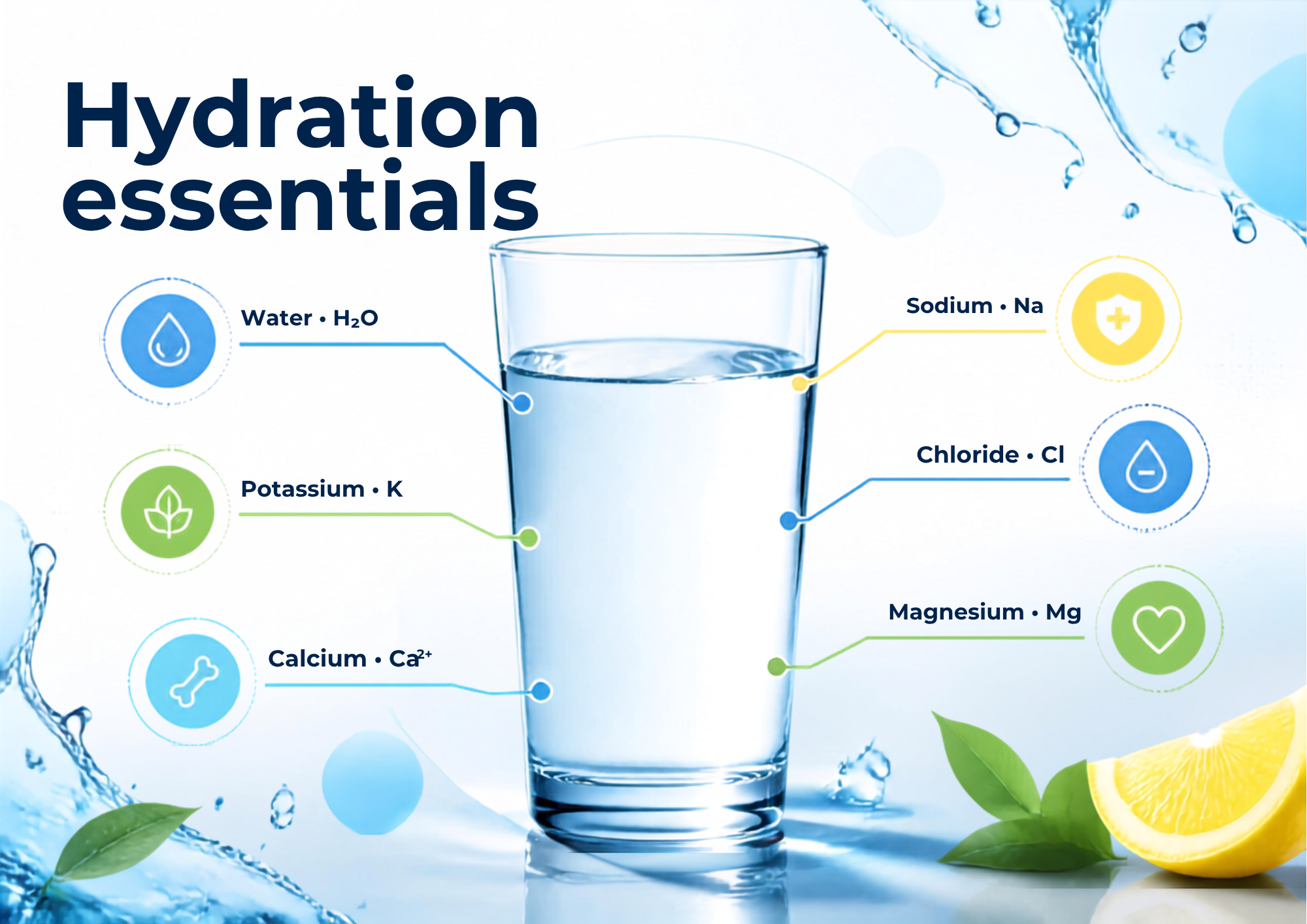
Your body doesn't need all of these in identical amounts.
And more isn't automatically better.
That's one of the most important things to remember when comparing electrolyte products.
🧂 WHEN DO ELECTROLYTES ACTUALLY MAKE SENSE?
Here's the Seven Pillars version:
Everyday life?
Start with water and food.
Sweaty workout?
Electrolytes may be useful.
Long workout in the heat?
Electrolytes become more relevant.
Heavy sweating for hours?
Replacing sodium and fluid can become particularly important.
Sitting on the couch watching a movie?
Your popcorn may already have this handled. 😂
The amount and type of electrolytes you need can vary considerably depending on sweat rate, activity level, diet, climate, and individual circumstances.
That's why there isn't one magic electrolyte formula that is perfect for everyone.
THE SEVEN PILLARS REMINDER:
You don't need to buy an electrolyte supplement just because everyone on social media has one. Start with what your body actually needs—not what happens to be trending.
🧠 WHAT DOES “CELLULAR HYDRATION” ACTUALLY MEAN?
You've probably seen the phrase everywhere.
“Cellular hydration.”
It sounds impressive.
It also sounds like something that should require a tiny laboratory coat.
But the basic idea is much less mysterious.
Water doesn't exist in one giant swimming pool inside your body.
Fluid is distributed between different compartments, including inside and outside your cells. Electrolytes such as sodium and potassium help regulate where water moves and how fluid balance is maintained.
When you sweat, you're losing water and electrolytes.
Replacing fluid while also replacing appropriate electrolytes can therefore help restore fluid balance.
That's the useful part of the “cellular hydration” conversation.
The marketing version sometimes makes it sound like ordinary water can't reach your cells.
That's not how it works.
Water absolutely hydrates you.
Electrolytes help your body regulate fluid balance and replace minerals that may be lost through sweat.
That's a much more useful—and much less dramatic—way to understand it.
🧪 WHAT MAKES AN ELECTROLYTE “CLEAN”?
This is where things get interesting.
“Clean” isn't a scientific category with one universally accepted definition.
So instead of simply trusting the word on the front of the package, flip it over.
Read the ingredient list.
Look for:
1. WHAT KIND OF SWEETENER IS USED?
You may see:
Stevia
Monk fruit
Sugar
Allulose
Other sweeteners
None of these automatically makes a product good or bad.
It's about what fits your preferences and how you respond to it.
2. HOW MUCH SUGAR IS ACTUALLY THERE?
Some electrolyte formulas contain sugar intentionally.
That isn't necessarily a flaw.
Glucose plays an important role in oral rehydration formulas because sodium and glucose use a transport mechanism in the intestine that helps with fluid absorption.
Other products are designed to be sugar-free.
Again:
Different tools. Different jobs.
Don't automatically assume that zero sugar means “better,” or that a product containing some sugar means “bad.”
3. ARE THERE ARTIFICIAL COLORS OR FLAVORS?
If avoiding artificial colors, flavors, or sweeteners is important to you, check the actual ingredient panel rather than relying on the front of the package.
This is one area where several of the products in this article take noticeably different approaches.
4. HOW MUCH SODIUM IS IN IT?
This might be the biggest difference between electrolyte products.
For example, the LMNT formula contains 1,000 mg of sodium per serving, while Ultima's current formula contains 55 mg.
Those are dramatically different products.
Neither number automatically makes one “better.”
It tells you they're designed with very different electrolyte profiles.
🧂 WHAT ABOUT CELTIC SEA SALT?
Ah yes.
The internet's favorite little grey salt.
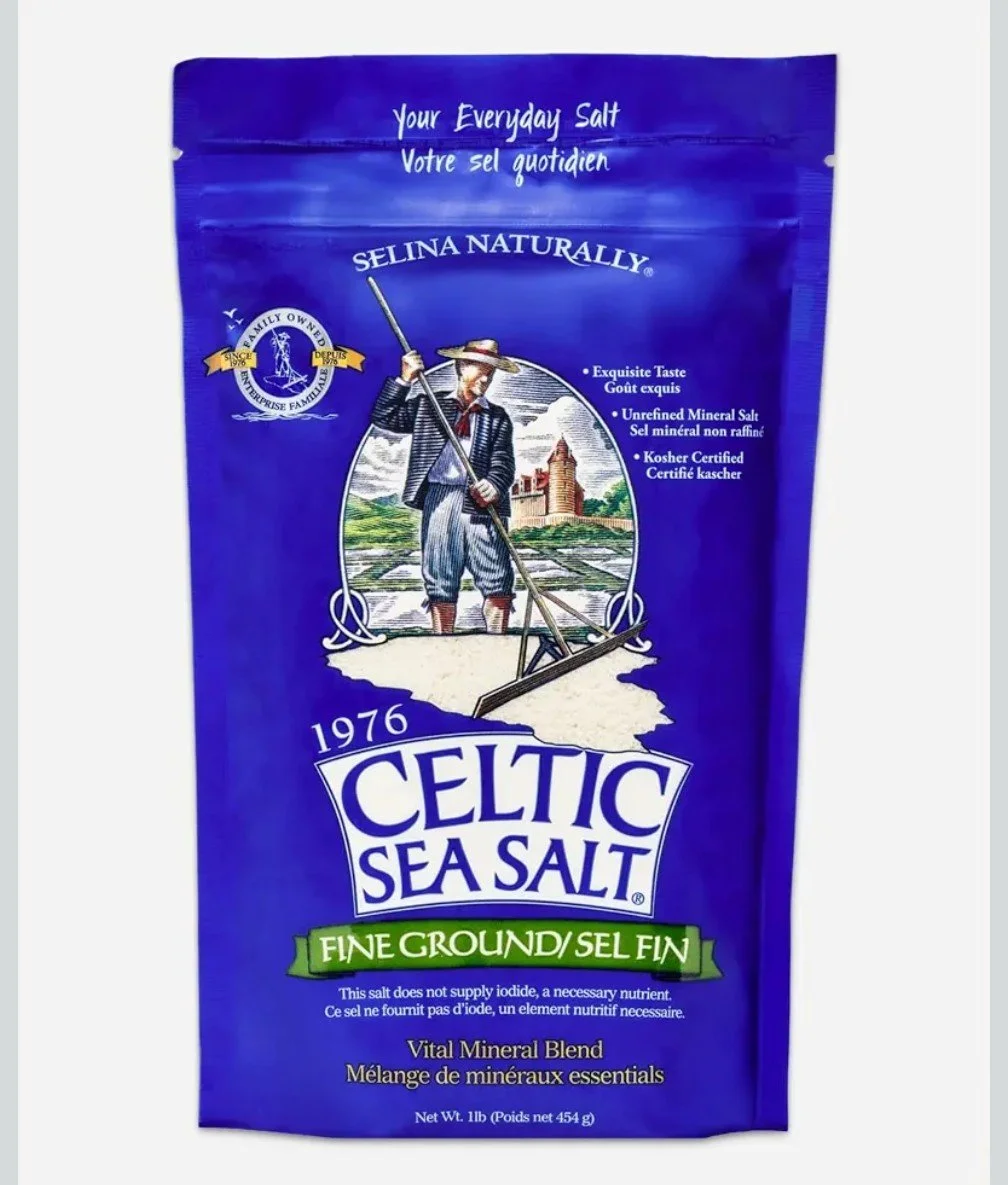
Celtic sea salt can be a simple way to add sodium to food, and the manufacturer describes its Fine Ground product as additive-free sea salt. Its technical analysis reports approximately 34.7% sodium by weight, along with smaller amounts of minerals such as magnesium and potassium.
But here's the important part:
Celtic sea salt is still primarily salt.
It is not a complete electrolyte formula.
It doesn't magically replace every mineral your body uses.
So if you like using Celtic sea salt in your cooking, wonderful.
If you're considering it as part of a hydration strategy, understand what you're actually getting: primarily sodium chloride, with smaller quantities of other minerals.
Simple can be useful.
Simple does not mean magical.
SIMPLE DOESN'T MEAN MAGIC.
Celtic sea salt can provide sodium, but it isn't a complete replacement for every electrolyte your body uses.
💫 6 ELECTROLYTE OPTIONS WORTH KNOWING
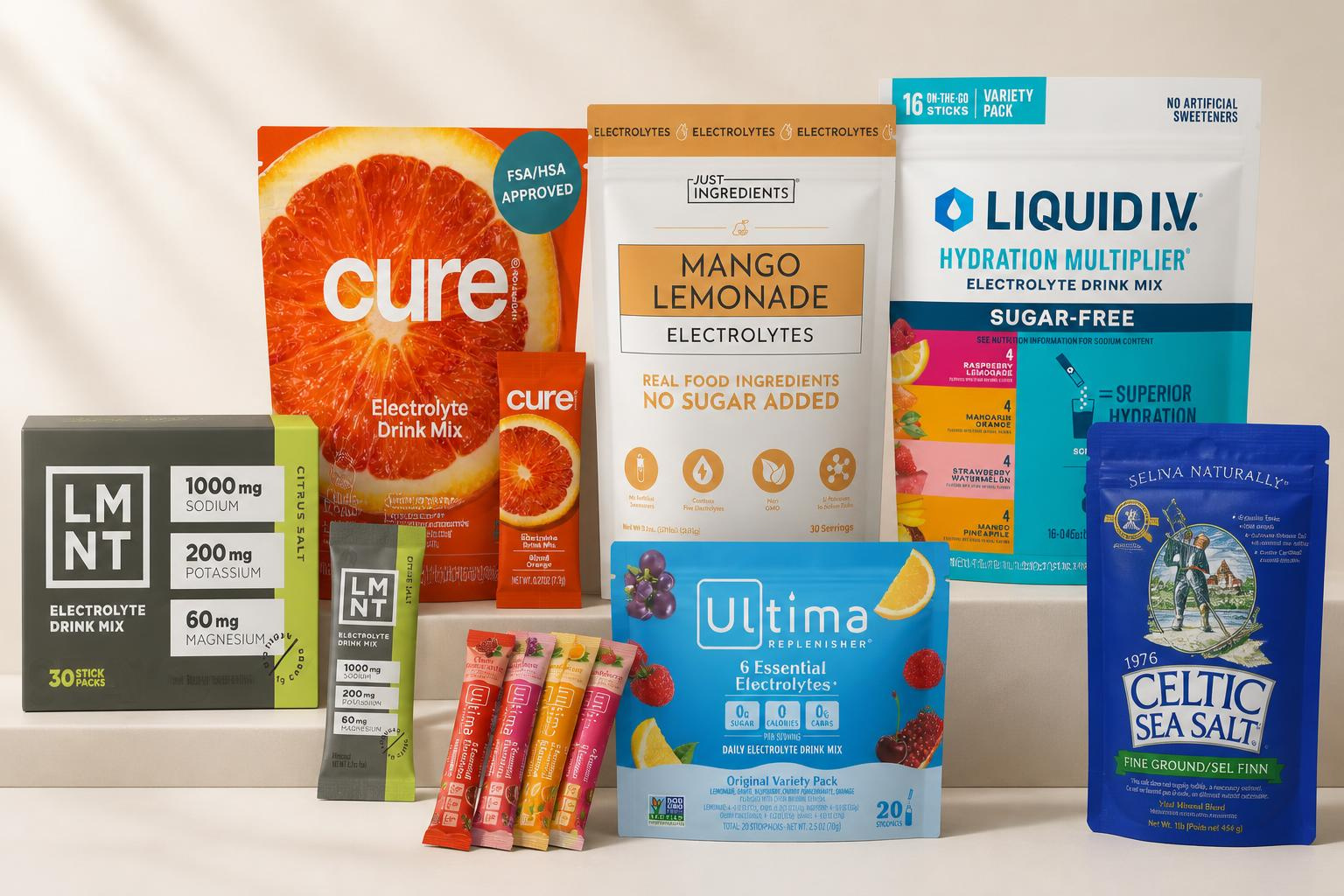
Instead of choosing one universal “winner,” we're looking at six products that take different approaches.
Because the best electrolyte for a long, sweaty workout may not be the best choice for someone who simply wants a lower-sodium everyday option.
And that is exactly why the label matters.
⭐ 1. LMNT — BEST FOR HIGHER-SODIUM HYDRATION
LMNT is the heavy hitter in this lineup.
The current LMNT formula provides:
1,000 mg sodium
200 mg potassium
60 mg magnesium
0 g sugar
The Lemonade Salt version linked here uses salt, citric acid, magnesium malate, potassium chloride, natural lemon flavor, and stevia leaf extract.
That's a very straightforward formula.
But there's a giant asterisk:
1,000 mg of sodium is a lot compared with many everyday electrolyte powders.
That can make sense for people with substantial sweat losses or higher sodium needs, but it doesn't mean everyone needs 1,000 mg of sodium in every bottle.
If you don't sweat much, you may simply be buying a very expensive salty drink.
And nobody needs that plot twist.
BEST FOR:
🏃 Heavy sweaters
☀️ Hot-weather activity
💦 Longer workouts
🧂 People specifically looking for a higher-sodium formula
Amazon:
⭐ 2. CURE HYDRATION — BEST FOR A FOOD-BASED APPROACH
Cure takes a different route.
Its formula uses ingredients including:
Coconut water powder
Pink Himalayan salt
Sodium citrate
Lemon juice powder
Organic stevia
Monk fruit extract
A current Cure nutrition panel lists approximately:
240 mg sodium
310 mg potassium
4 g total sugar
0 g added sugar
25 calories
The sugar here isn't simply added table sugar. Cure's formula uses coconut water and fruit ingredients, and the company bases its formula on oral rehydration science.
That makes Cure an interesting choice for someone who wants a hydration mix that feels more food-based and doesn't want artificial sweeteners, colors, or dyes.
BEST FOR:
🥥 Coconut-water fans
🍋 Ingredient-conscious shoppers
🌱 Plant-based preferences
💧 People wanting moderate sodium rather than an ultra-high-sodium formula
Amazon:
⭐ 3. JUST INGREDIENTS SWEET STRAWBERRY — BEST FOR INGREDIENT MINIMALISTS
This one is particularly interesting if your first instinct when reading a supplement label is:
“Okay…but what IS all this stuff?”
The Sweet Strawberry formula includes:
Organic strawberry
Potassium citrate
Citric acid
Magnesium citrate
Organic coconut water
Sodium chloride
Calcium citrate
Organic monk fruit
Strawberry juice powder
Fermented Reb M
Organic stevia
The company says the formula provides five key electrolytes and is designed around a 3:1 potassium-to-sodium ratio.
It also contains:
No added sugar
No artificial colors
No artificial flavors
No artificial sweeteners
No synthetic preservatives
One thing I appreciate here is that the ingredient list actually gives you something to evaluate.
Rather than simply shouting “CLEAN!” in giant letters, you can look at what is actually inside.
BEST FOR:
🍓 Real-food ingredient lovers
🌿 People avoiding artificial ingredients
🥤 Everyday hydration
💚 People who prefer more potassium than sodium
Amazon:
⭐ 4. LIQUID I.V. SUGAR-FREE — BEST FOR VARIETY & CONVENIENCE
Liquid I.V.'s Sugar-Free Hydration Multiplier is another very different option.
The current Sugar-Free formula provides approximately:
500 mg sodium
370 mg potassium
0 g sugar
The Sugar-Free version uses a proprietary amino acid/allulose blend rather than the sugar found in some traditional hydration formulas.
This can make it appealing if you want:
No sugar
A stronger electrolyte profile
Convenient individual packets
Multiple flavor options
It's worth remembering, however, that “sugar-free” doesn't automatically mean “better for everyone.”
Some people prefer stevia.
Some prefer allulose.
Some prefer a little real sugar.
Your digestive system gets a vote too.
BEST FOR:
🍋 Flavor variety
🎒 Convenience
🚗 Travel
💧 Moderate-to-higher electrolyte needs without sugar
Amazon:
⭐ 5. ULTIMA REPLENISHER — BEST FOR LOWER-SODIUM EVERYDAY ELECTROLYTES
Ultima sits on the opposite end of the sodium spectrum from LMNT.
A current label lists approximately:
55 mg sodium
250 mg potassium
100 mg magnesium
47 mg calcium
78 mg chloride
70 mg phosphorus
0 g sugar
0 calories
It also provides vitamin C and smaller amounts of additional minerals.
This makes Ultima especially interesting for someone who wants a broad mineral profile but doesn't want a high-sodium electrolyte drink.
However, that also means:
Ultima is not the product I'd automatically choose for someone replacing large amounts of sodium after heavy sweating.
The sodium number matters.
BEST FOR:
🌿 Lower-sodium preferences
🥤 Everyday electrolyte drinks
💚 People wanting multiple minerals
🍓 Flavor variety
Amazon:
⭐ 6. CELTIC SEA SALT — BEST SIMPLE PANTRY OPTION
This isn't an electrolyte powder.
And that's exactly why we're including it.
Celtic Sea Salt Fine Ground is simply sea salt.
The manufacturer's technical analysis identifies:
Sodium
Chloride
Small amounts of magnesium
Small amounts of potassium
Calcium
Other trace elements
It's an easy pantry staple and a straightforward way to add salt to food.
But I would not put Celtic salt in the same category as a fully formulated electrolyte drink.
It primarily provides sodium.
Think:
food ingredient → yes
complete electrolyte formula → no
BEST FOR:
🧂 Cooking
🥗 Seasoning food
🌊 People who prefer minimally processed salt
🏡 Keeping a simple pantry
Amazon:
📊 ELECTROLYTE COMPARISON: WHAT'S ACTUALLY IN THE BOTTLE?
A quick note before the table: Serving sizes and formulations can change, so always check the package you're purchasing. The numbers below reflect the current product information reviewed for this article.
| PRODUCT | SODIUM | POTASSIUM | MAGNESIUM | SUGAR | BEST FOR |
|---|---|---|---|---|---|
| LMNT | 1,000 mg | 200 mg | 60 mg | 0 g | Heavy sweating & higher-sodium needs |
| Cure | 240 mg | 310 mg | Not listed | 4 g total / 0 g added | Food-based ingredient approach |
| Just Ingredients | 3:1 potassium-to-sodium ratio | Higher than sodium by design | Included | 0 g added | Ingredient-conscious everyday use |
| Liquid I.V. Sugar-Free | ~500 mg | ~370 mg | Not highlighted in current formula | 0 g | Convenience & flavor variety |
| Ultima | 55 mg | 250 mg | 100 mg | 0 g | Lower-sodium everyday option |
| Celtic Sea Salt | Primarily sodium | Trace amount | Trace amount | 0 g | Simple pantry salt |
🏆 SO WHICH ELECTROLYTE IS ACTUALLY BEST?
Here's the answer nobody wants because it isn't as exciting as declaring a winner:
It depends.
🧂 BEST FOR HIGH-SODIUM HYDRATION:
LMNT
If you're intentionally looking for a high-sodium formula, LMNT is the clear standout of this group.
🥥 BEST FOR A FOOD-BASED APPROACH:
Cure
Coconut water, fruit ingredients, moderate sodium, and no added sugar make Cure appealing if ingredients are a major priority.
🍓 BEST FOR INGREDIENT MINIMALISTS:
Just Ingredients
The real-fruit approach and emphasis on avoiding artificial ingredients make this one worth considering.
🎒 BEST FOR CONVENIENCE & VARIETY:
Liquid I.V. Sugar-Free
A practical option if you want individual packets, multiple flavors, and a moderate-to-higher electrolyte profile without sugar.
🌿 BEST LOWER-SODIUM OPTION:
Ultima
Its sodium level is dramatically lower than LMNT while still providing potassium, magnesium, calcium, chloride, phosphorus, and other micronutrients.
🧂 BEST SIMPLE PANTRY OPTION:
Celtic Sea Salt
Great for food.
Useful as a simple source of sodium.
Not a complete electrolyte replacement.
🥗 DON'T FORGET FOOD
Before buying another container of powder, remember that electrolytes also come from food.
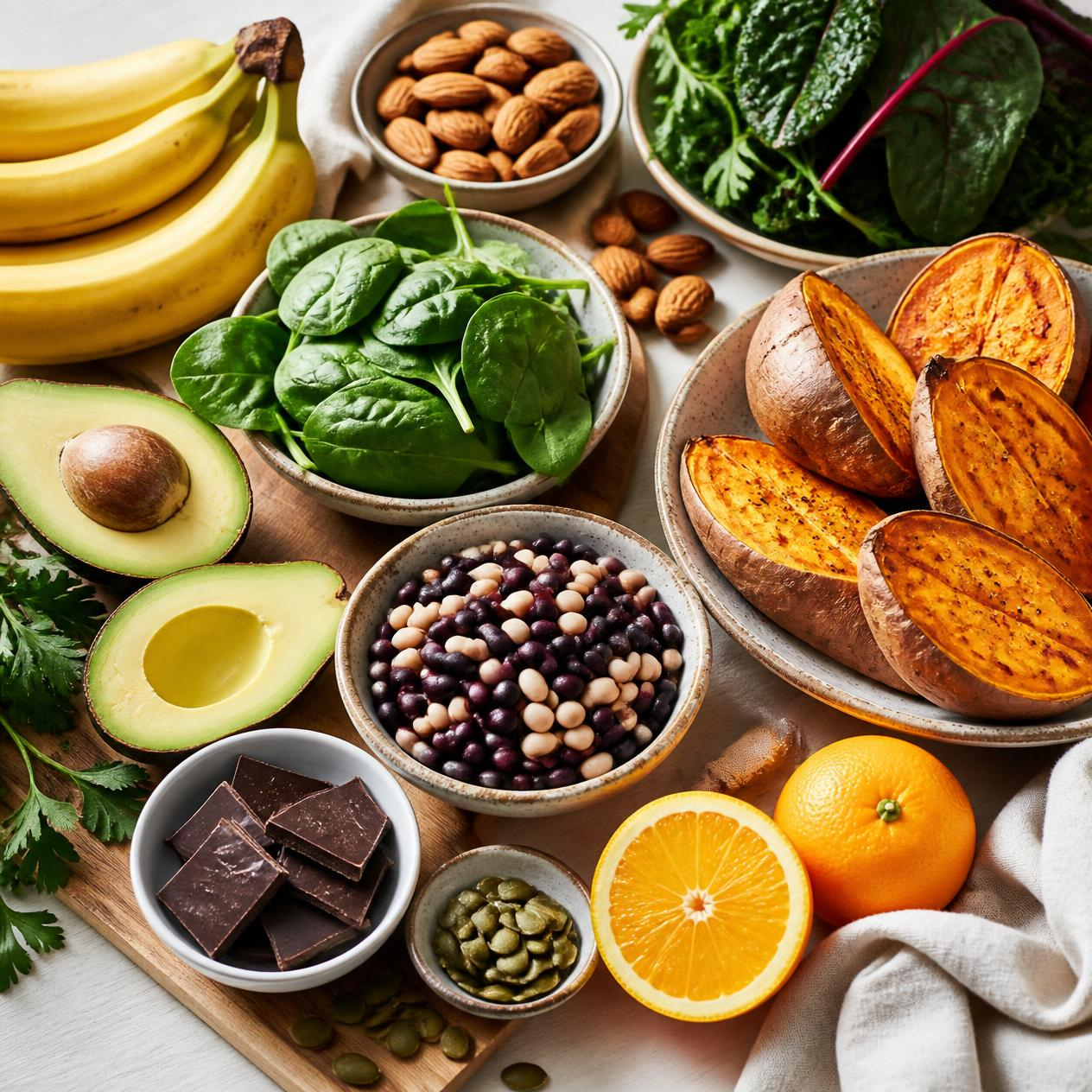
Examples include:
POTASSIUM
Bananas
Potatoes
Avocado
Beans
Yogurt
Coconut water
MAGNESIUM
Nuts
Seeds
Beans
Whole grains
Leafy greens
CALCIUM
Dairy
Fortified plant milks
Tofu made with calcium
Some leafy greens
SODIUM
Salt
Soups
Broths
Naturally salted foods
Your diet is part of the electrolyte equation.
You don't have to turn every mineral into a powder.
YOU DON'T HAVE TO BUY MORE TO TAKE BETTER CARE OF YOURSELF.
Sometimes the healthiest hydration choice is the water already sitting beside you.
🚰 A SIMPLE SEVEN PILLARS HYDRATION CHECK
Before reaching for an electrolyte packet, ask yourself:
1. Am I actually thirsty?
Start there.
2. Have I been sweating heavily?
If yes, electrolytes may make more sense.
3. How long have I been active?
A short walk and a three-hour workout aren't the same hydration situation.
4. Is it hot or humid?
Heat changes the equation.
5. What does my electrolyte actually contain?
Check sodium.
Check sugar.
Check sweeteners.
Check the ingredient list.
6. Do I even like the taste?
This matters more than people admit.
The best hydration drink is the one you'll actually drink.
7. Am I buying this because I need it—or because the packaging made me feel like I needed it?
Oof.
That last one gets all of us sometimes.
❤️ THE SEVEN PILLARS APPROACH
At Seven Pillars, we're not interested in making wellness more complicated than it needs to be.
Water matters.
Food matters.
Movement matters.
Rest matters.
And sometimes an electrolyte drink makes sense.
Sometimes it doesn't.
You don't have to earn hydration by buying an expensive powder.
You don't have to feel guilty for drinking plain water.
And you definitely don't need to turn your kitchen counter into a hydration laboratory.
Start simple.
Pay attention to your body.
Then choose the tool that actually fits your life.
💧 WANT TO GO DEEPER INTO WATER?
If you're still building your hydration routine, visit the Seven Pillars Water page for more practical guides, including water filters, water bottles, and family-friendly hydration ideas.
You can also continue with our guide to choosing the right water bottle for busy days and families.
Looking for a water bottle the whole family can actually live with? Check out our Best Water Bottles for Kids & Families guide, with practical picks for school, sports, travel, and everyday hydration.
FINAL THOUGHT 💧
Hydration doesn't have to be complicated.
Drink water.
Eat nourishing foods.
Pay attention to your activity, environment, and sweat losses.
Use electrolytes when they make sense for you.
And remember:
You are not failing at wellness because your water bottle contains…water.
Honestly?
That's a pretty solid place to start. 💧
A QUICK NOTE FROM SEVEN PILLARS
This article is for general educational purposes and isn't intended to diagnose, treat, or prevent any medical condition. Individual electrolyte needs can vary. If you have kidney, heart, blood-pressure, or other medical concerns, take medications that affect fluid or electrolyte balance, or have been advised to restrict sodium or potassium, talk with your healthcare professional before significantly increasing electrolyte or salt intake.
AMAZON AFFILIATE DISCLOSURE
Some links in this article are affiliate links. If you purchase through one of these links, Seven Pillars may earn a small commission at no additional cost to you.
As an Amazon Associate I earn from qualifying purchases.
We only recommend products we believe may be useful and relevant to our readers.
SOURCES & PRODUCT INFORMATION
Product nutrition and ingredient information was reviewed against current manufacturer pages and available label information at the time this article was prepared.
LMNT reports 1,000 mg sodium, 200 mg potassium, and 60 mg magnesium per serving and publishes its current flavor ingredient lists.
Cure's current product information lists approximately 240 mg sodium and 310 mg potassium per packet, with 4 g total sugar and 0 g added sugar on the current grapefruit label.
Just Ingredients describes its Sweet Strawberry formula as containing five electrolytes and a 3:1 potassium-to-sodium ratio, with no added sugar, artificial colors, or artificial flavors.
Liquid I.V.'s current Sugar-Free Hydration Multiplier information describes approximately 500 mg sodium and 370 mg potassium per serving and 0 g sugar.
Ultima label information lists approximately 55 mg sodium, 250 mg potassium, and 100 mg magnesium per serving, with 0 g sugar.
Celtic Sea Salt's technical analysis identifies its Fine Ground product as sea salt and reports approximately 34.7% sodium by weight, with smaller amounts of other minerals.