Sunlight!
nature's golden elixir!
Our bodies thrive on sunlight for several important reasons:
-
![]()
Vitamin D & Immunity Boost
Sunlight is our main source of vitamin D, a superstar nutrient that's crucial for strong bones, a healthy immune system, and overall well-being. When UVB rays hit our skin, they trigger the production of vitamin D, helping keep our bodies in tip-top shape.
-
![]()
Mood Enhancement
Ever notice how a sunny day can instantly lift your spirits? That's because sunlight stimulates the production of serotonin, a feel-good neurotransmitter that helps regulate mood. Soaking up those rays can chase away the blues and leave you feeling happier and more relaxed.
-
![]()
Improved sleep
Sunlight plays a key role in regulating our circadian rhythm, or internal clock. Exposure to natural light during the day helps synchronize our sleep-wake cycle, making it easier to fall asleep at night and wake up feeling refreshed in the morning!
-
![]()
Healthy skin
While too much sun can be harmful, moderate sun exposure is actually good for your skin. Sunlight stimulates the production of vitamin D and helps your body synthesize other skin-friendly compounds.
-
![]()
Increased Alertness
Sunlight can help sharpen your focus and boost your alertness, making you feel more awake and ready to tackle whatever the day throws your way.

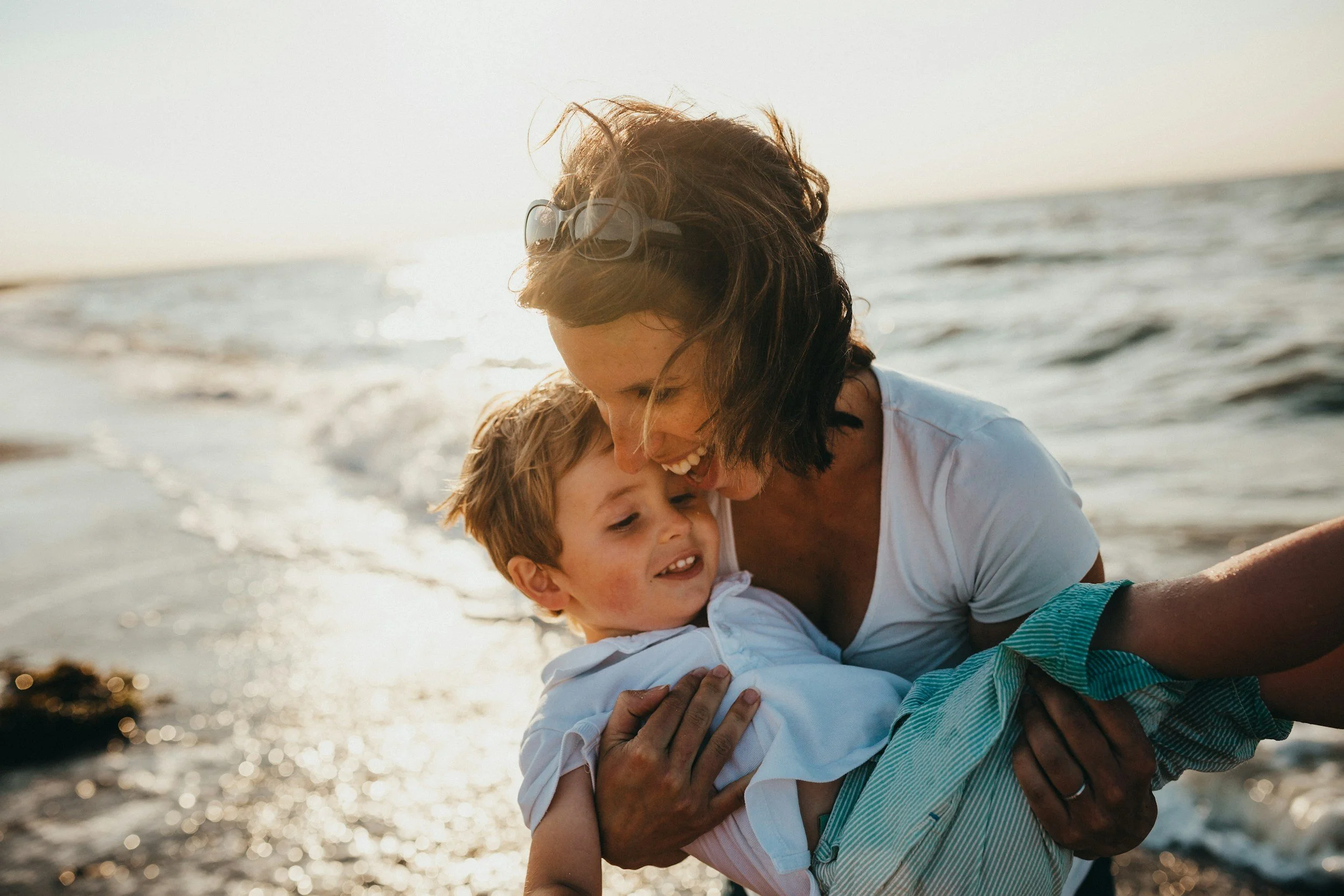



Important reminder!
Excessive exposure to sunlight, particularly its ultraviolet (UV) radiation, is the primary cause of skin cancer. According to the World Health Organization (WHO), overexposure to UV radiation from the sun or artificial sources (such as tanning beds) is the leading cause of skin cancer, including deadly melanoma.

Now, when it comes to soaking up those sunny vibes, here's how to do it safely:
Aim for moderate exposure:
Get outside for around 10-30 minutes a few times a week, depending on your skin type and the intensity of the sunlight. Wait about 2 hours to bathe to allow Vitamin D to be absorbed and converted.
Choose the right time:
The sun's rays are strongest between 10 a.m. and 4 p.m. It's best to schedule outdoor activities earlier or later in the day when the sun is less intense. Limit children's outdoor activities during these peak sun hours and encourage indoor or shaded activities instead.
Protect your skin:
Sunscreen is your best friend when it comes to protecting your child's delicate skin from harmful UV rays. Choose a broad-spectrum SPF 30+ sunscreen and reapply regularly, especially if you'll be outside for an extended period. Don't forget easy-to-miss areas like the ears, back of the neck, and tops of the feet. Remember to reapply every two hours (or more often if they've been swimming or sweating up a storm).
Check out these top-rated and eco-friendly options below:
Babo Botanicals Sheer Zinc Mineral Sunscreen Lotion SPF30 - Natural Zinc Oxide - Shea Butter - Face & Body - Water Resistant - Fragrance-Free - EWG Verified - Vegan - For all ages
Badger Kids Sunscreen Cream SPF 40, Organic Mineral Sunscreen Kids Face & Body with Zinc Oxide, Reef Friendly, Broad Spectrum, Water Resistant
Raw Elements Face and Body Mineral Sunscreen SPF 30 Tin, Organic Sunblock Daily Protection, Non-Toxic Reef Safe, Water Resistant, Cruelty-Free, Plastic Free
New! Goodspread Universal Mineral Sunscreen | Lightweight + Fragrance-Free | Human + Reef-Friendly | Broad Spectrum SPF 30 for Safe Sun Protection
Cover Up:
Whenever possible, dress your child in lightweight, long-sleeved clothing and wide-brimmed hats to provide extra protection from the sun. Look for clothing made from tightly woven fabrics that offer UPF (Ultraviolet Protection Factor) protection for added peace of mind. Check out these great option below for the whole family:
It’s vital to drink water frequently to keep your body happy and energized. Make sure your little ones have plenty of water throughout the day, especially while they’re having fun playing outside. Remind them to take regular water breaks—this will help them stay refreshed and ready for more adventures!
(More Tips On This In The Next Page😉)
Overall, sunshine isn't just good for the soul😎—it's essential for our physical and mental well-being. So, don't be shy about stepping outside and soaking up some rays (safely, of course)! Your body will thank you for it.
Now that we know why we need it and how to be safe, let’s have some fun!
Here are a few tips for adding regular outdoor time and sunlight exposure into your daily routine!
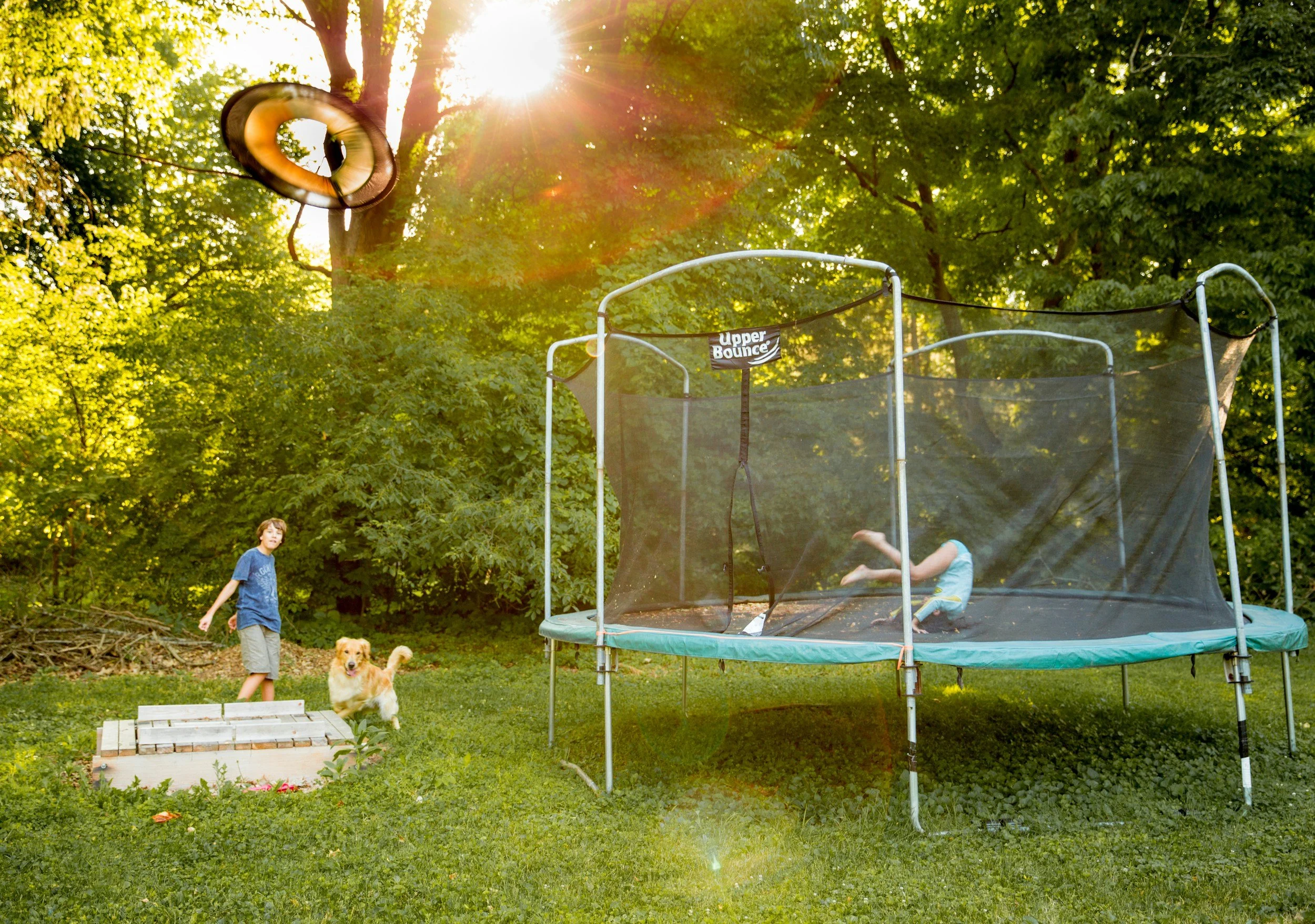
-
Start your day with a splash of sunshine! Take advantage of the cooler morning hours for outdoor play, whether it's a walk around the neighborhood, a trip to the park, or some backyard fun. It's the perfect way to kick-start your day with a healthy dose of vitamin D and fresh air.
-
Trampoline!
My son was gifted a trampoline by his grandparents for his birthday last year, and it has truly been one of the best presents we've ever received. If you have boys (I have 2 😅), you understand the need for them to play and release their energy. A trampoline is the perfect solution for that. I appreciate being able to prepare their meals while they are enjoying themselves on the trampoline, all while being able to keep an eye on them through my kitchen window.
Winning!
Here are a couple great choices if your looking into getting one:
We even have a small rebounder for indoor fun on rainy days!

-
Explore the great outdoors with a family nature walk! Hit the trails at a nearby nature reserve or simply stroll around your neighborhood, taking time to admire the beauty of the natural world. Encourage your little ones to spot birds, insects, and flowers along the way for an extra dose of outdoor fun.
-
My boys absolutely FASCINATED with the great outdoors and all the little critters they come across. Letting them explore and allowing nature to spark their curiosity is not only a fantastic learning experience but also a wonderful way to bond with your kids. Take a look at some of our favorite things to bring along below:

-
Turn mealtime into an outdoor adventure by packing a picnic and heading to your favorite park or green space. Spread out a blanket, enjoy some tasty treats, and soak up the sun while you munch. It's a delicious way to get your sunlight fix and create lasting family memories.
-
If we are in the backyard the boys love setting up on our picnic table!
Little Tikes Easy Store Picnic Table with Umbrella, Multi Color
Little Tikes Easy Store Jr. Picnic Table with Umbrella - Blue / Green (for smaller kids, they do grow up so fast though!)
But when we are on the go as in the beach, park, or even in the front yard this fold up picnic blanket is a must!

-
Transform your backyard into a sunny sanctuary for outdoor play and relaxation. Set up a kiddie pool for splashing, break out the bubbles for some backyard fun, or simply lounge in the shade with a good book while your little ones explore. It's a convenient way to enjoy the outdoors without straying too far from home.
-
We're so lucky to have the best neighbors with kids around the same age as ours! Our favorite thing to do is set up a splash pad on hot days. The kids have a blast while our mom can relax and enjoy watching them. We add extra fun with popsicles and bubbles, and the fun seems to go on for hours! Check out our must haves below:
-
Get your hands dirty with a little backyard gardening! Let your kids help plant seeds, water plants, and watch their garden grow. Not only is gardening a great way to get your sunlight exposure, but it also teaches valuable lessons about nature, responsibility, and patience.
-
Our boys absolutely love helping mommy in the garden! It does take a bit of patience, but as long as we guide them, they are thrilled to accomplish tasks and take pride in their work as they watch their plants grow. Make sure they are prepared with some of our favorite tools below to make their gardening experience even more enjoyable and rewarding! Happy gardening!


-
Wind down your day with a leisurely sunset stroll around the neighborhood. It's a peaceful way to enjoy the golden hour and reflect on the day's adventures. Plus, the cooler evening temperatures make it a refreshing way to end the day.
-
We've recently started going for evening bike rides after dinner, and it's been such a joy to watch the sunsets and the stars appear in the sky before bath and bedtime. Even my 2-year-old joins in on our family bike rides! We were so amazed when he hopped on his bike with training wheels and started riding off within a week. Feel free to check out the bikes we have and love below!
Let’s Not Forget Saftey First!

What about the winter blues?
So, you find yourself in a place where winter seems to stretch on forever or sunlight is as rare as a unicorn sighting? Don't worry, there are still plenty of ways to take care of your body's sunshine needs:
-
Since sunlight might be in short supply, consider adding vitamin D-rich foods to your diet. Think fortified dairy products, fatty fish like salmon and tuna, eggs, and fortified cereals. You can also talk to your doctor about taking a vitamin D3 supplement to help meet your needs.
-
Light therapy, also known as phototherapy, is a fantastic option for those missing out on natural sunlight. Special light therapy lamps mimic the sun's rays, helping to regulate your body's internal clock, boost mood, and even improve sleep. Just 20-30 minutes a day can make a world of difference!
-
Don't let the winter blues keep you cooped up inside! Find fun indoor activities to keep you moving and grooving. Whether it's dancing to your favorite tunes, practicing yoga, or trying out a new workout routine, staying active can help lift your spirits and keep your body happy.
-
When the sun does make an appearance, make the most of it! Open up those curtains, position yourself near windows, and soak up as much sunlight as you can. Even a little bit of sunshine can go a long way in boosting your mood and energy levels.
-
Create a warm and inviting atmosphere indoors. Light candles, snuggle up with a soft blanket, and enjoy hot cups of tea or cocoa with loved ones. Creating a cozy environment can help chase away the winter blues and make you feel all warm and fuzzy inside.
Remember, even when the sun isn't shining brightly, there are still plenty of ways to take care of your body and nourish your soul. So, embrace the season, stay active, and find joy in the little moments of sunshine, wherever you are!
All Works Cited: AAP. Home. (n.d.). https://www.aap.org/, Centers for Disease Control and Prevention. (n.d.). Centers for Disease Control and Prevention. https://www.cdc.gov/ , The Skin Cancer Foundation official website. The Skin Cancer Foundation. (2024, May 23). https://www.skincancer.org/ , Source: Holick, M.F. (2004). Sunlight and vitamin D for bone health and prevention of autoimmune diseases, cancers, and cardiovascular disease. The American Journal of Clinical Nutrition, 80(6 Suppl), 1678S-88S. https://doi.org/10.1093/ajcn/80.6.1678S, Lambert, G.W., Reid, C., Kaye, D.M., Jennings, G.L., & Esler, M.D. (2002). Effect of sunlight and season on serotonin turnover in the brain. The Lancet, 360(9348), 1840-2. https://doi.org/10.1016/S0140-6736(02)11737-5 , Wright Jr, K.P., McHill, A.W., Birks, B.R., Griffin, B.R., Rusterholz, T., & Chinoy, E.D. (2013). Entrainment of the human circadian clock to the natural light-dark cycle. Current Biology, 23(16), 1554-8. https://doi.org/10.1016/j.cub.2013.06.039
All that playing in the sun needs
A quenching drink!